How Sunfish Online Rebuilt Their Website for Procurement
Sunfish Online win their work through enterprise frameworks and approved supplier lists, where every link, accreditation and team bio gets scrutinised. We rebuilt their website to match that bar: a full WordPress rebuild, brand photoshoot, restructured case studies, EEAT-led team pages, and sign-off against their own Critical-to-Quality standard, delivered in 8 weeks.
The Brief
Sunfish came to us with a site that was working, but only as a brochure. It validated the business when prospects looked it up. It didn’t sell, didn’t capture leads, and didn’t reflect the calibre of the team behind it. Their internal brief was direct: turn the site into a business development tool, not a digital business card.
They were also coming off the back of a difficult experience with their previous web and SEO supplier. A year-long SEO retainer had been cancelled halfway through. There was no proper site audit, no landing pages built, and a previous agency that, when asked about investing in the site, told Sunfish there was nothing wrong with it. The starting position was a Wix site dotted with broken URLs, indexing issues, duplicate H1s, missing meta descriptions, low text-to-HTML ratios and unverified structured data, none of which would survive a serious enterprise procurement conversation.
Alongside the rebuild, Sunfish wanted:
How We Worked
Because of their previous experience, Sunfish brought a Critical-to-Quality (CTQ) document to the project: a formal list of the standards the new site had to meet before it could be signed off. Rather than push back, we made the CTQ the spine of the project. Every page, every component, every interaction was built to be measured against it at review.
Cadence stayed tight: weekly Google Meet sessions, a Loom walkthrough at the design-review stage so internal stakeholders could feed back asynchronously, and a shared client portal so the Sunfish team could see exactly where every task sat without chasing email threads. We sent action summaries straight after each meeting so Kamil, our day-to-day project lead at Sunfish, could move on follow-ups before the next session.
What We Delivered
We started in Discovery: a full sitemap rebuild and a UX walkthrough of the buyer journey, signed off by Sunfish leadership before a single page was designed. The original plan included mega menus across the top navigation, but once the new design direction landed it became clear they’d clutter the page and clash with the transparent header.
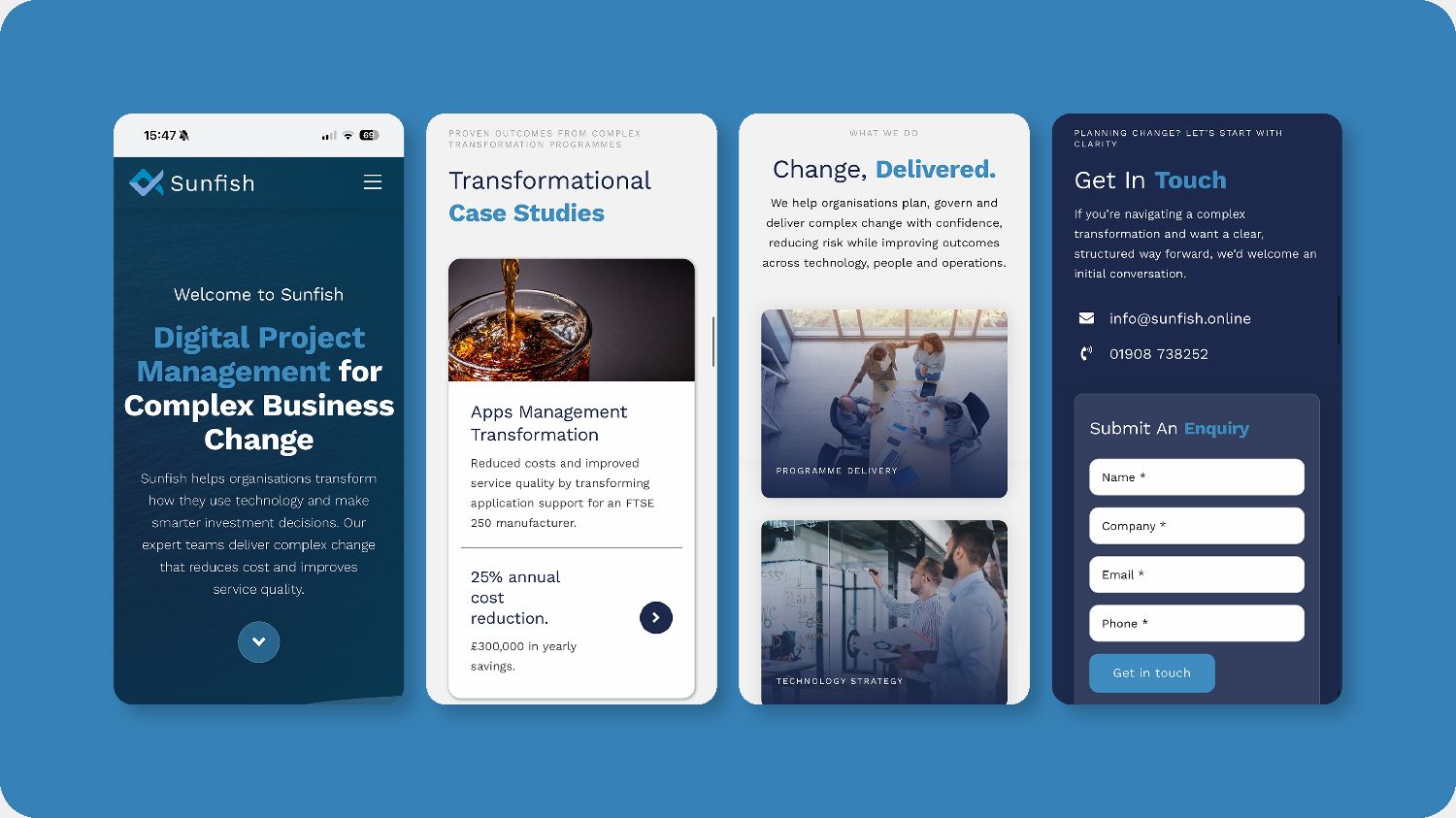
We pivoted to a side fly-out navigation with sub-pages nested cleanly underneath: fewer top-level dropdowns, less visual noise, easier to scan, and a navigation pattern that worked identically on mobile.
The site was consolidated to seven top-level items (the CTQ ceiling), eight services were combined down to a tighter set of six, and overlapping industry pages got cleaned up. Defence, Aerospace, and Defence Nuclear were three separate sectors on the old site, and we merged them into a single “Aerospace, Defence and Nuclear” page to avoid the appearance of internal uncertainty. Beverage Wholesale became Distribution & Supply Chain. Beauty became Consumer Products. Smaller language changes, but each one chosen with the procurement reader in mind.
A WordPress build engineered for performance
We rebuilt the site on WordPress with responsive checks, speed and performance audits and a proper QA pass before launch. Page load times sit well under three seconds on standard connections.
The previous site’s broken links, invalid URLs, duplicate H1s, low text-to-HTML ratios and indexing errors were resolved at the build stage rather than patched after launch, and we mapped 301 redirects to retain SEO equity from the old URL structure.
A confident, in-house design direction
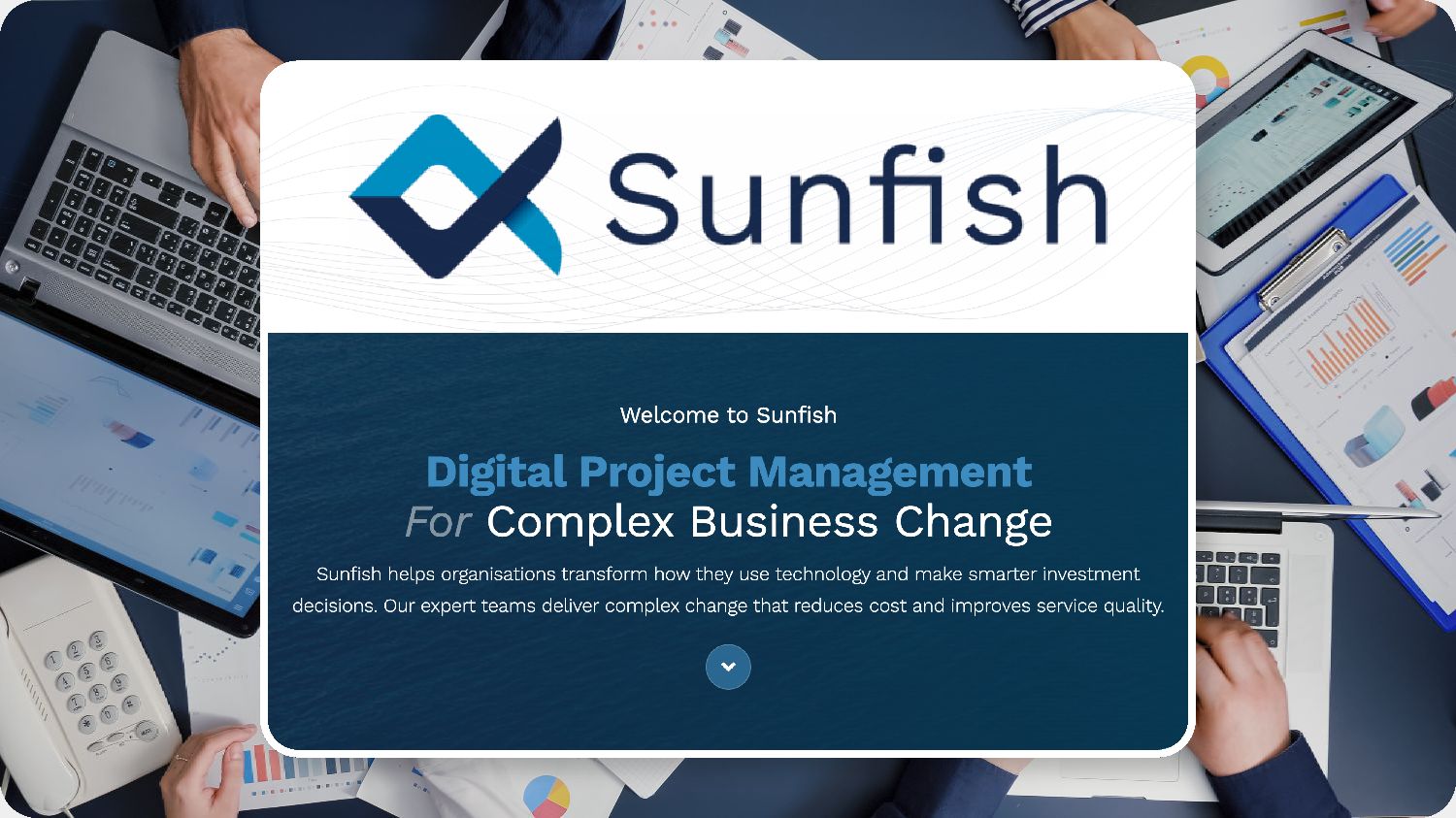
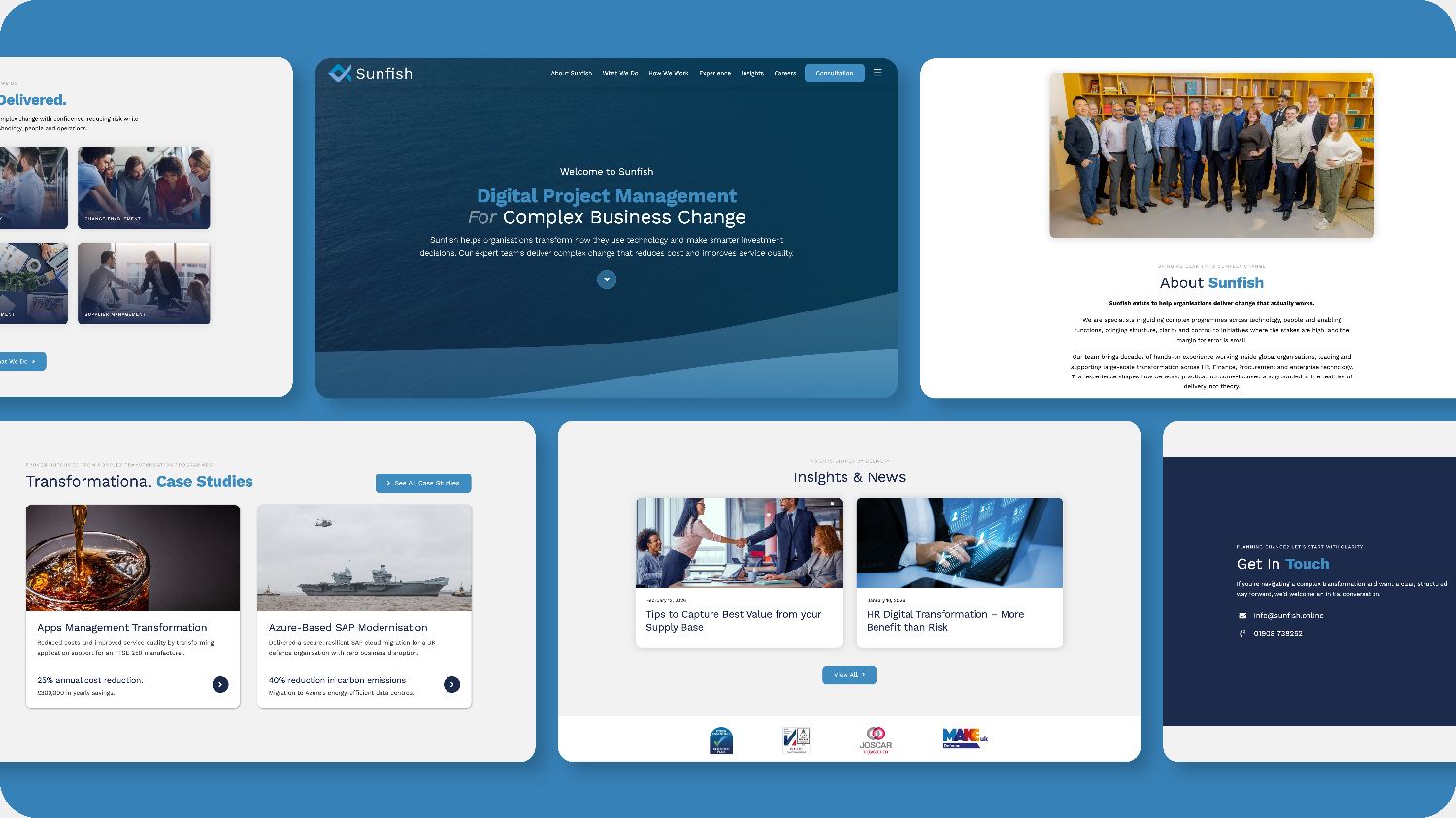
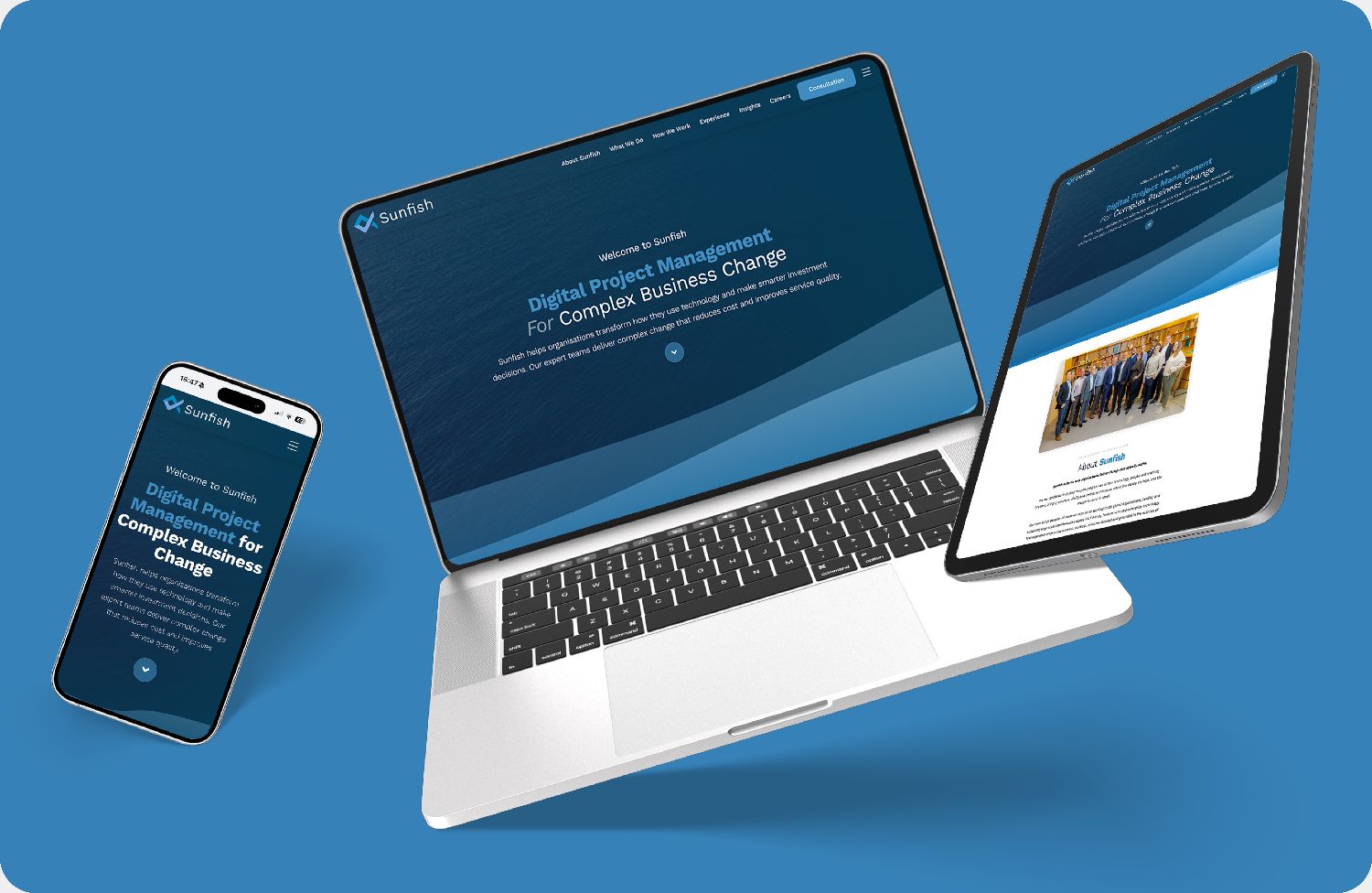
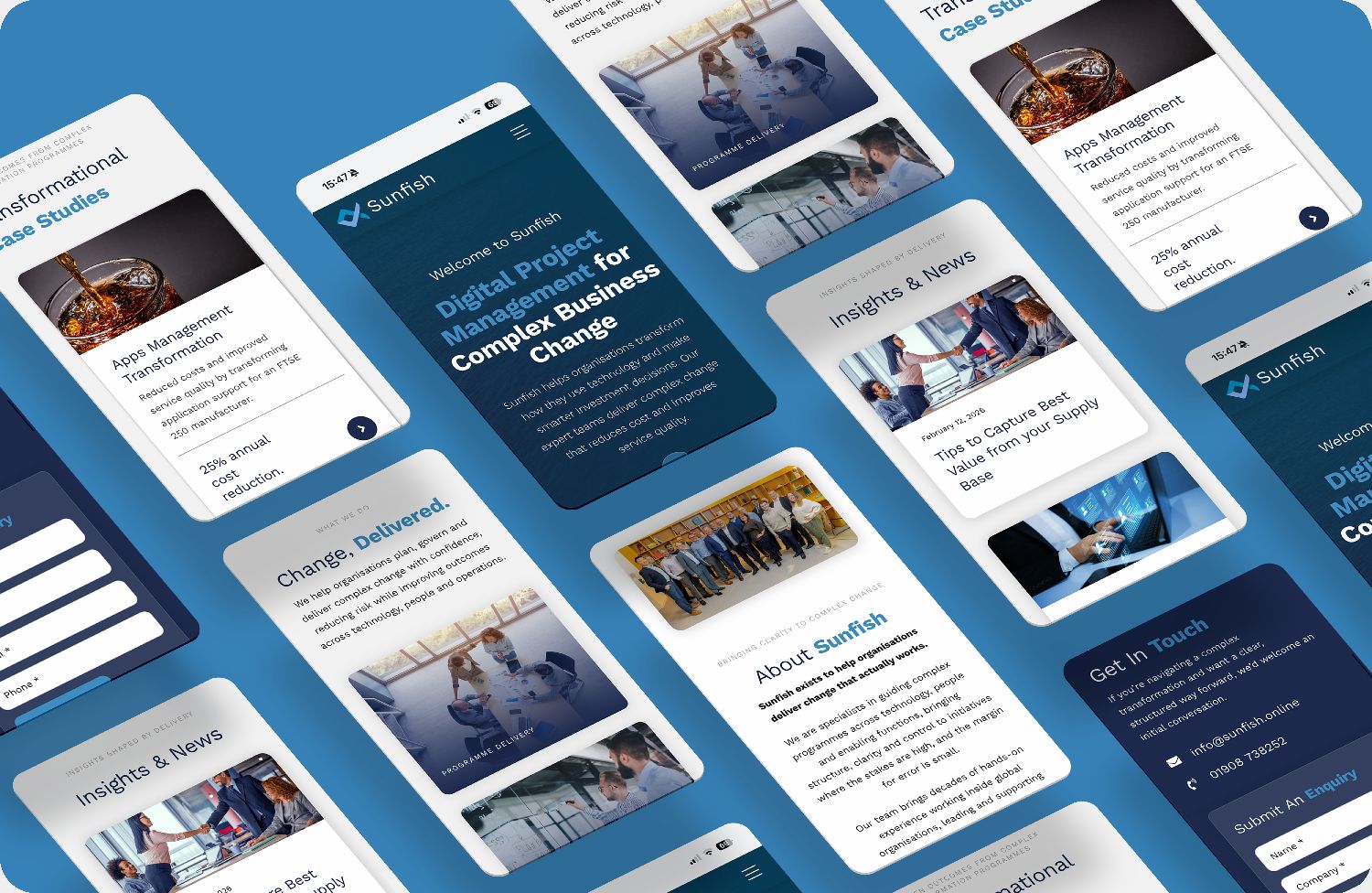
Design was handled in-house, keeping the pace fast and the brand decisions commercial rather than decorative. The new look leans into Sunfish’s existing identity but pushes it further: confident typography, generous spacing, a deeper blue palette, and a smooth single-motion hero animation (the original wave concept, simplified after stakeholder review) that gives the brand somewhere to breathe.
Base font sizing was lifted across the board after early feedback that Sunfish’s enterprise audience, often senior and often making procurement decisions, needed something more readable than design-fashionable 15px body copy.
Conversion-led content & proof
Each page was structured around a single primary CTA. Case studies were rewritten as conversion assets, with a clear problem, approach and measurable outcome.
The Apps Management Transformation case study now leads with “25% annual cost reduction” and “£300,000 in yearly savings”; the SAP modernisation piece leads with “40% reduction in carbon emissions”. Accreditations (Cyber Essentials Plus, ISO 9001, JOSCAR, MAKE UK Defence) were given a dedicated trust strip, the JOSCAR logo corrected (the previous site had been using the wrong one), and a separate Accreditations page added under the About menu with a timeline of when each was achieved.
Testimonials were a particular challenge. Around half of Sunfish’s clients sit in defence-adjacent sectors and couldn’t be named. Clients explicitly asked for no mention of role or company. Rather than weaken the proof or fake attribution, we built a dedicated anonymised testimonial slider that lives across the case study templates: real client words, no identifying details, full credibility kept intact.
EEAT-led team pages
The Meet The Team pages were restructured around EEAT principles: full bios, role relevance, sector exposure, security clearance where relevant, and proof points. The brief was simple. When a procurement lead lands on a consultant’s page, the page should answer “why should I trust this person with my transformation programme?” before they need to ask. Internal vs client-delivery roles were separated cleanly so prospects could find the right person quickly.
A brand photoshoot to replace the stock imagery
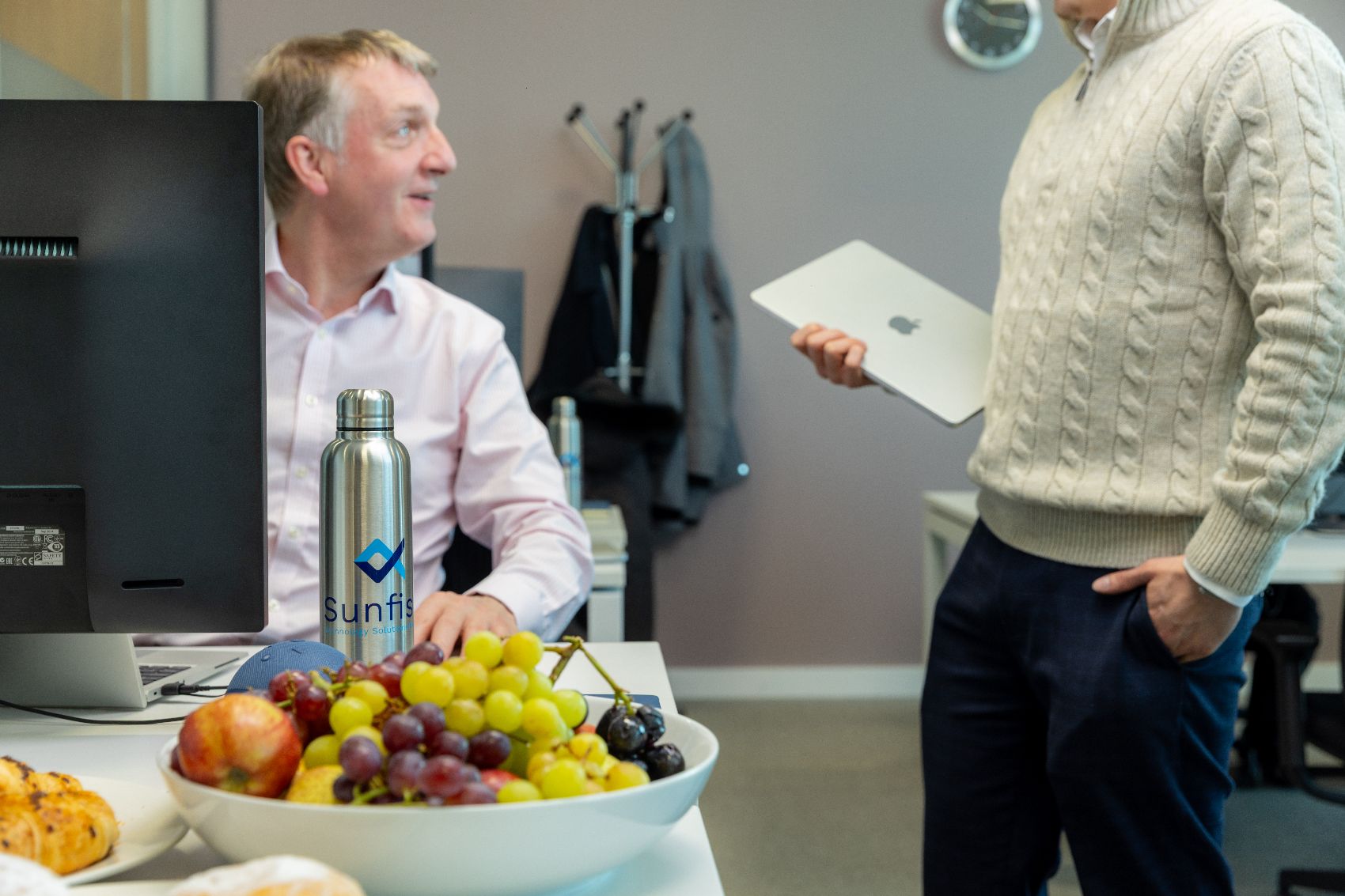
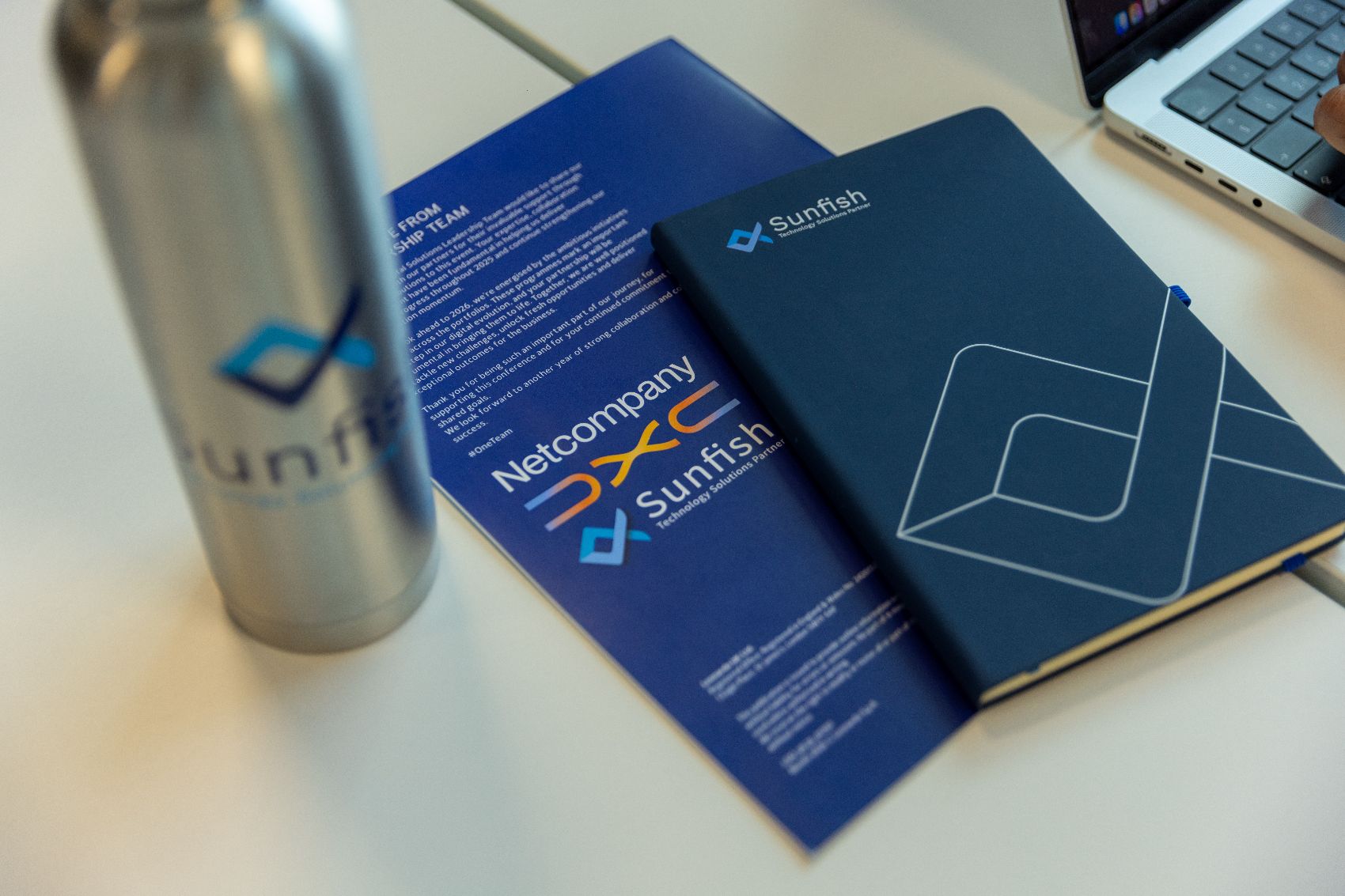
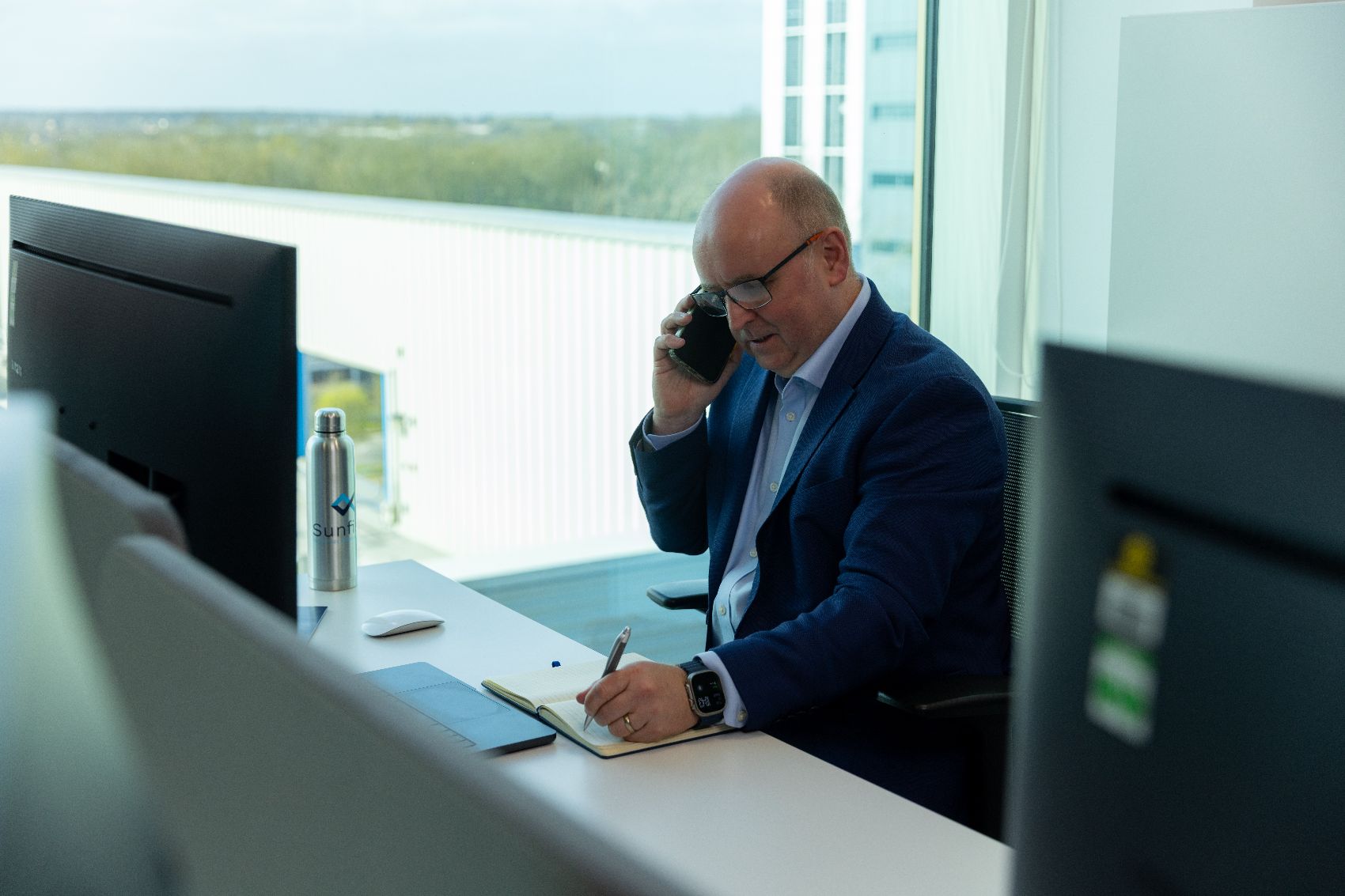
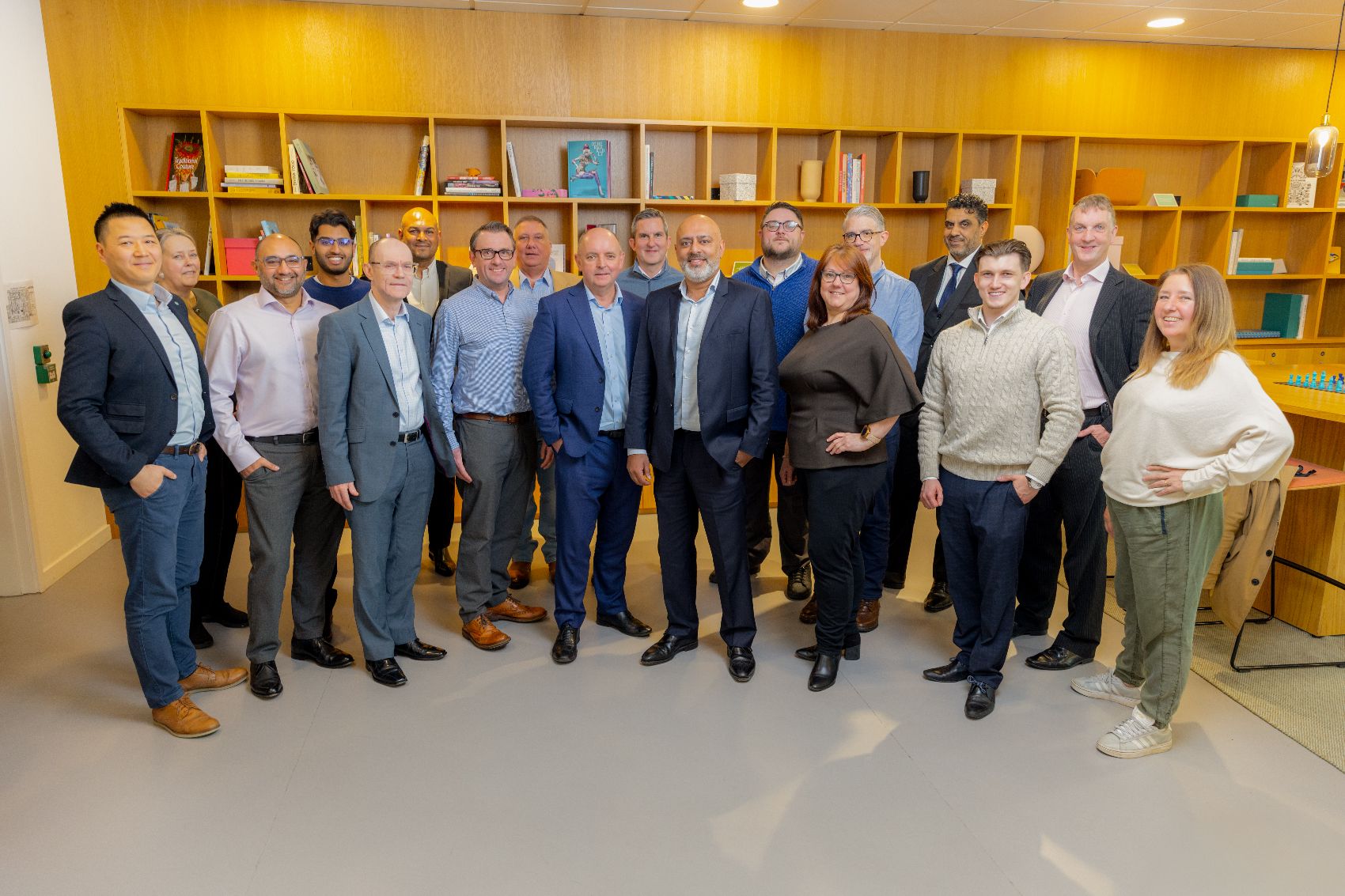
The old site relied heavily on stock photography, which undercut Sunfish’s positioning as a serious enterprise consultancy. We organised and ran a half-day photoshoot at their Avebury Boulevard office on 17 March 2026: the full team together, working sessions, meetings in flight, candid project shots.
The shoot was coordinated to align with the team lunch so we got the in-office team in one place. The output replaced stock imagery across the homepage, About page and supporting pages, and gave Sunfish a library of branded assets they own outright for future marketing.
SEO built in, not bolted on
SEO was treated as part of the build rather than a post-launch retrofit:
This protects the SEO equity Sunfish had built and positions the new site to perform across both traditional Google search and AI-assisted discovery (ChatGPT, Perplexity, AI Overviews).
Domain migration handled, free of charge
This protects the SEO equity When it came time to migrate the domain, the outgoing supplier had retained DNS control and proved obstructive. Kamil ended up making more than 50 phone calls and sending 10 to 15 emails over three weeks just to get basic records released, and even when they actioned the A-record update they left the old records in place, breaking site resolution.
We handled the entire Wix-to-GoDaddy domain migration free of charge as a goodwill gesture, set up the new GoDaddy account properly (with a non-Sunfish recovery email and a backup phone number to avoid the lockout risk if the domain ever expired), and worked the DNS records through cleanly so email continuity was protected throughout the cutover.Sunfish had built and positions the new site to perform across both traditional Google search and AI-assisted discovery (ChatGPT, Perplexity, AI Overviews).
Training and ongoing support
We ran a full training session on 31 March covering page editing, blog publishing, case study uploads, contact form management and day-to-day admin. Kamil used the session to publish a live test case study end-to-end, so by the time training finished the Sunfish team had proven they could maintain the site without a developer in the loop. The site now sits on our secure UK-based hosting with proactive monitoring, plugin and security updates and SSL upkeep, free for the first six months as part of the engagement.
The CTQ sign-off
Two days after launch, we sat down with Sunfish for a structured walkthrough of every CTQ criterion. The new site cleared nearly all of them: clear menus and pathways, USP articulated in a single hero sentence, three-or-fewer clicks to key information, navigation under seven top-level items, sub-three-second page loads, mobile usability validated, accreditations clearly displayed, security-cleared work explicitly stated on relevant bios, a dedicated CSR/ESG section with three documented initiatives, every service mapped to outcomes, conversion infrastructure tested, and testimonials credible without being identifying.
On stakeholder confidence, scored four out of five at the start of the project, Kamil revised the score upwards: “In the video, we had all positive feedback. So yeah, four out of five we can stay, but we’ve had five out of five.”
Outcomes
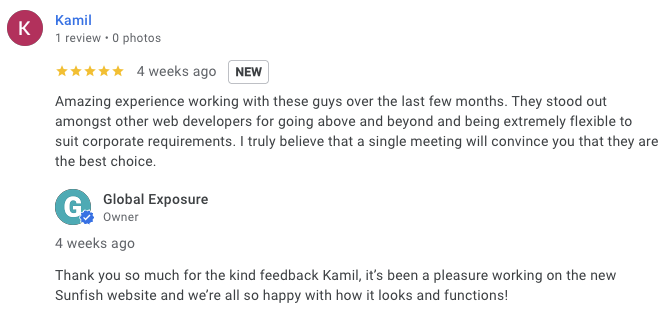
What Sunfish Said
Are you looking for a performance-driven Digital Marketing Agency?
Project delivered by Global Exposure, a Milton Keynes-based digital agency specialising in website design, development and SEO for UK businesses.
Want to talk about a rebuild of your own? Click the button below.